

Alcohol and Nerve Regeneration: Why Your Evening Drink is Harming Your Extremities
Discover how alcohol and nerve regeneration are blocked by evening drinks. Learn how ethanol depletes B-vitamins and harms your extremities.
Experiencing unexplainable nighttime tingling or mild numbness in your lower extremities? Recognizing the early signs of diabetic nerve pain is crucial for halting microvascular degradation and protecting your long-term mobility.
Discover our top-rated botanical formula designed to soothe irritated nerve endings naturally.

Navigating blood sugar fluctuations involves monitoring numerous physical signals, yet subtle changes in foot sensitivity are frequently overlooked until discomfort becomes pronounced. When evaluating the early signs of diabetic nerve pain, understanding the physiological baseline is essential. For a comprehensive overview of pathology and recovery, read our complete guide on diabetic neuropathy and nerve health.
Furthermore, our complete approach aligns with the core principles outlined in our Diabetes Management Hub, ensuring systemic metabolic control is maintained. Recognizing early warning signs of diabetes can prevent severe neuropathy down the line. To fully understand how monitoring micro-signals prevents complications, keeping track of metabolic shifts is critical when assessing early signs of diabetic nerve pain.
Understanding the early signs of diabetic nerve pain requires looking at how sustained glucose imbalances affect microvascular circulation. When blood sugar remains elevated, delicate blood vessels supplying nerve trunks experience progressive constriction and endothelial stress.
Peripheral neuropathy typically develops over several years in a distal-to-proximal pattern, meaning sensory changes appear first in the tips of the toes before slowly moving upward. Identifying the early signs of diabetic nerve damage allows patients to intervene before irreversible axonal degeneration occurs.
Cellular exposure to chronic high glucose triggers oxidative stress and metabolic pathways that produce neurotoxic byproducts. Learning how does diabetic nerve pain start helps individuals connect minor sensory anomalies to underlying metabolic triggers. Medical professionals emphasize that tracking early signs of diabetic nerve pain early on changes long-term outcomes.
Recognizing the manifestation of these symptoms is vital for timely clinical management and long-term protection against severe neuropathic complications. When evaluating early signs of diabetic nerve pain, noting frequency is key.
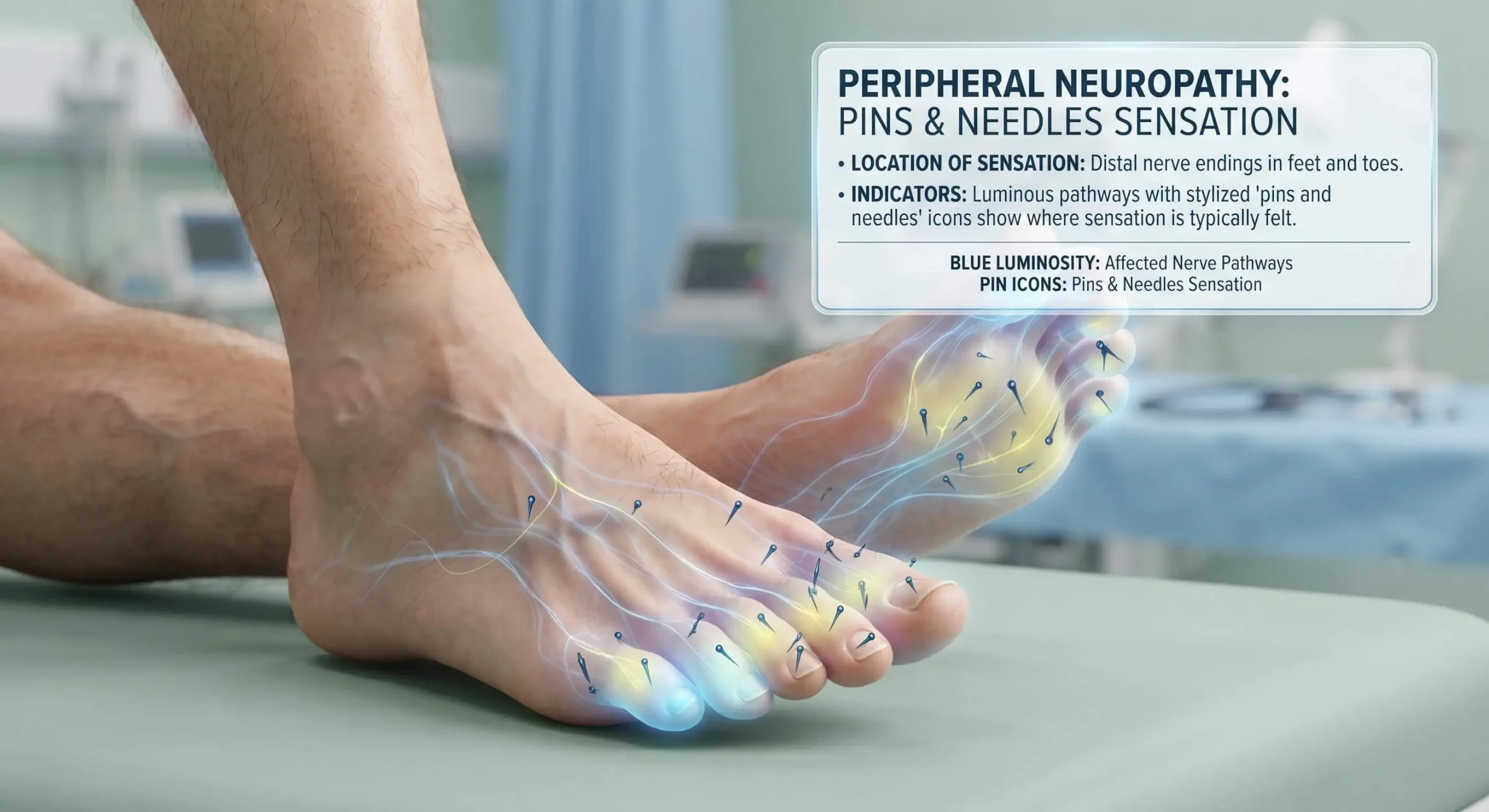
One of the most frequent early signs of diabetic nerve pain is a mild, recurring prickling sensation in the toes, often resembling foot sleep or static electricity.
Experiencing severe nocturnal burning pain in feet during rest periods is a classic indicator that small sensory nerve fibers are undergoing acute inflammation.
Failing to notice minor temperature shifts in bathwater or flooring highlights the onset of early symptoms of peripheral neuropathy, signalling reduced sensory transmission.
Even lightweight bedsheets brushing against the skin can provoke discomfort, demonstrating heightened sensory nerve irritability often flagged in early signs of diabetic nerve pain checklists.
Sudden, brief stabbing pains shooting through the arch or heel often accompany the escalation of untreated nerve irritation.
Motor nerve involvement can cause intrinsic foot muscle weakness, leading to unusual fatigue during routine walking or standing activities.
Loss of joint position awareness makes walking on uneven terrain challenging, increasing trip and fall risks associated with missing early signs of diabetic nerve pain.
Patients frequently ask what does diabetic nerve pain feel like, as symptoms vary greatly from person to person. While some describe dull aches, others report persistent crawling sensations or deep freezing chills.
Unlike joint stiffness or muscle fatigue caused by overexertion, neuropathic sensations originate directly from damaged neural pathways, persisting regardless of physical rest or activity.
The quiet environment of night amplifies sensory perception, while natural physiological shifts in blood flow compound nighttime discomfort, making early signs of diabetic nerve pain much more prominent after dark.
Identifying what triggers diabetic nerve pain enables proactive lifestyle modifications that halt rapid neural degradation.
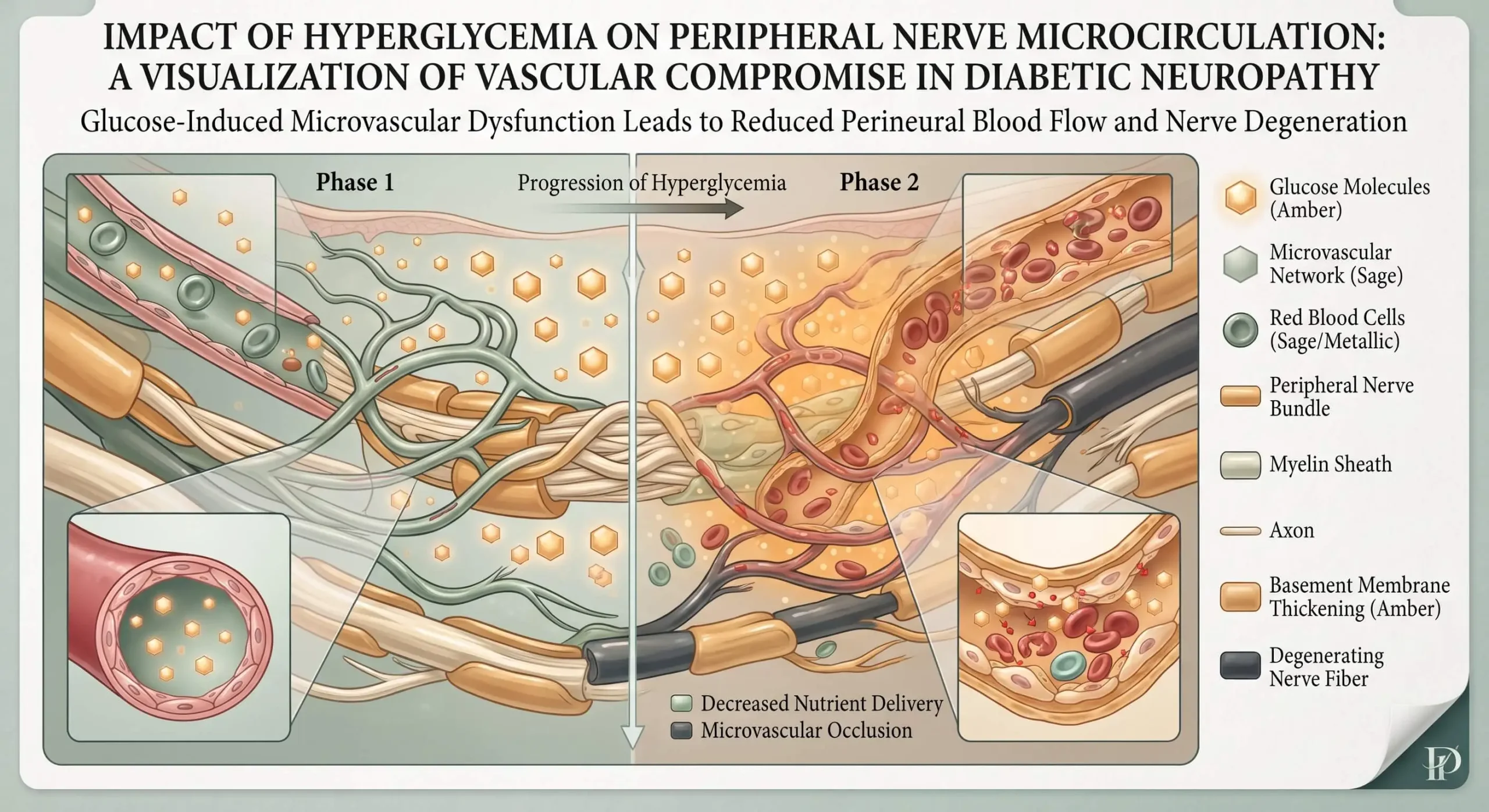
Lifestyle elements play a massive part in vascular constriction. Habits like smoking accelerate vascular constriction—discover more in our guide on how smoking affects blood sugar levels in diabetics.
Systemic vascular damage often overlaps across organs, as seen in our diabetic nephropathy symptoms early signs guide. Monitoring these systemic overlaps helps interpret early signs of diabetic nerve pain more accurately.
When patients report early signs of diabetic nerve pain, physicians utilize specialized diagnostic tools to quantify neural function and map sensory loss precisely.
A standard clinical examination often involves applying a Semmes-Weinstein monofilament to specific points on the foot to test protective sensation, alongside 128-Hz tuning forks to evaluate vibration perception thresholds.
If sensory loss is detected during routine screenings, nerve conduction velocity tests measure electrical signal transmission speeds, confirming whether peripheral fibers are experiencing demyelination or axonal degradation.
Intercepting metabolic damage before it becomes structural requires rigorous adherence to preventative health standards and patient education regarding early signs of diabetic nerve pain.
Preventing sharp glucose swings is just as important as lowering average blood sugar. Spikes generate reactive oxygen species that immediately attack peripheral neural membranes.
Engaging in physician-approved low-impact aerobic routines stimulates microvascular perfusion, delivering necessary oxygen and nutrients back to vulnerable nerve terminals.
Implementing early protective measures can significantly mitigate discomfort and promote cellular recovery when addressing early signs of diabetic nerve pain.
Maintaining strict blood sugar control remains the single most effective method to stop ongoing neural fiber destruction.
If you are experiencing early numbness, look into these diabetic neuropathy feet tingling natural remedies.
When addressing the early signs of diabetic nerve pain, utilizing a clinically proven botanical formula delivered via advanced Phytosome® technology increases absorption rates by 2-6x.

Combining daily lifestyle adjustments with specialized formulations provides comprehensive neural fortification against early signs of diabetic nerve pain.

To soothe early discomfort with a specialized clinical formulation, read our comprehensive Nerve Fresh review.
Yes, sustained elevated blood sugar levels frequently target distal extremities first, leading to progressive peripheral neuropathy that impacts both fingers and toes.
The earliest indicators often involve mild intermittent tingling, subtle prickling sensations, or heightened nocturnal sensitivity in the soles of the feet.
Nighttime discomfort intensifies due to reduced daytime sensory distractions, natural circadian drops in cortisol, and shifts in microvascular blood flow during rest.
Protecting your feet requires strict glycemic monitoring, daily physical inspections for minor cuts, supportive footwear, and targeted nutritional care.
Recognizing the early signs of diabetic nerve pain empowers you to take decisive action before minor symptoms escalate. Prioritize glycemic stability, daily foot inspections, and advanced neural support to secure your health.

Discover how alcohol and nerve regeneration are blocked by evening drinks. Learn how ethanol depletes B-vitamins and harms your extremities.

Explore how excessive dietary sodium and processed foods impair vascular microcirculation, increasing nerve pain and extremity numbness.

Discover how artificial sweeteners worsen neuropathy and why energy drinks disrupt nerve signal transmission. Protect your extremity health today.

Explore how artificial trans fats and hydrogenated processed oils degrade structural myelin membranes, starving nerve cells of proper electrical insulation.

Discover how smoking and nicotine constrict nerve blood supply through microvascular damage. Learn how tobacco worsens neuropathy symptoms.

Uncover the common daily foods that silently damage your nervous system, trigger blood sugar spikes, and worsen neuropathy symptoms.