


Alcohol and Nerve Regeneration: Why Your Evening Drink is Harming Your Extremities
Discover how alcohol and nerve regeneration are blocked by evening drinks. Learn how ethanol depletes B-vitamins and harms your extremities.
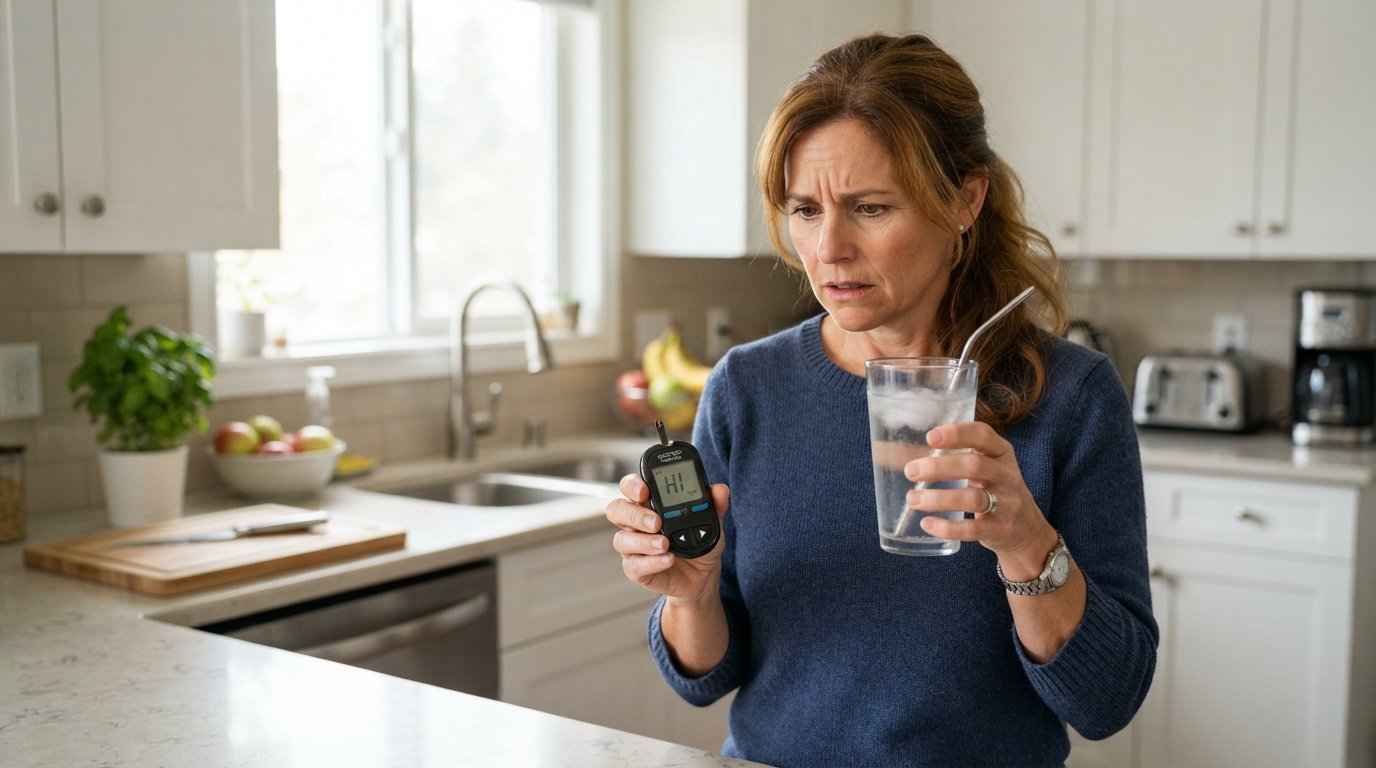
Seeing an unexpected blood glucose reading above 250 mg/dL or experiencing sudden extreme thirst, blurred vision, and rapid fatigue can trigger immediate panic. Knowing how to lower sudden high blood sugar quickly through safe, clinically verified protocols is critical for preventing acute hyperglycemic crises. When blood glucose surges, your plasma becomes hyperosmolar, putting vascular endothelial walls and renal tubules under extreme osmotic strain. Implementing emergency ways to bring down high blood sugar fast centers on rapid hydration, non-adrenaline physical movement, and suppressing stress-induced liver glycogen release. Integrating these emergency protocols alongside our foundational Diabetes Management Guide provides an essential safety net for maintaining metabolic stability.
Understanding the physiological mechanics of acute hyperglycemia empowers individuals with Type 2 diabetes and prediabetes to respond calmly during glucose spikes. Whether you are actively reviewing our Ultimate Diabetes Guide 2026 or seeking immediate steps for post-meal surges, learning how to lower sudden high blood sugar quickly offers clear, actionable guidance to restore glycemic balance safely.
To implement effective steps for how to lower sudden high blood sugar quickly, we must first analyze what drives sudden glycemic surges. High blood sugar spikes are rarely caused by food intake alone. Acute emotional stress, hidden infections, missed medication doses, or unexpected rebound dynamics can cause rapid glucose elevation. Analyzing how to lower sudden high blood sugar quickly requires identifying whether the spike is driven by dietary sugar influx or stress-hormone-induced liver glycogen release.
When physical trauma, acute illness, or emotional stress strikes, the adrenal glands release a surge of adrenaline and cortisol. As outlined in our clinical analysis of diabetes mellitus pathophysiology management, counter-regulatory stress hormones inhibit peripheral insulin binding while signaling the liver to dump stored glycogen into the bloodstream. Recognizing early physiological symptoms alongside key early warning signs of diabetes helps catch spikes before severe hyperosmolar symptoms occur. Consistently tracking A1C levels over 90 days clarifies whether acute spikes reflect isolated incidents or underlying insulin resistance.
Key Insight: how stress and panic raise blood glucose levels is a primary driver of unexplained spikes. Examining related lifestyle factors such as stress and blood sugar levels provides vital context for calming the nervous system.
If your blood glucose reading spikes unexpectedly, executing a disciplined protocol is essential. Here are 5 evidence-based steps explaining how to lower sudden high blood sugar quickly safely:
does drinking water help lower blood sugar quickly? Yes! Drinking 24 to 32 ounces of pure water immediately dilutes concentrated blood plasma. This aids renal filtration to flush excess glucose through urine, providing a key foundation for how to lower sudden high blood sugar quickly.
Engaging in light exercise for high blood sugar reduction—such as a 15-to-20-minute gentle walk—activates soleus muscle GLUT4 receptors to absorb circulating glucose without triggering an adrenaline surge.
If you use insulin, follow your endocrinologist's prescribed correction factor. Understanding how long does it take for insulin to lower blood sugar (typically 15 to 30 minutes for rapid-acting analogs) helps prevent over-correction and severe hypoglycemia.
Learn emergency protocols and structure your daily meal plan using our structured diabetic food chart.
Slow, deep box breathing activates the parasympathetic nervous system, lowering acute adrenaline levels and stopping stress-induced hepatic glucose dumping.
Replacing lost electrolytes supports cardiovascular stability during osmotic diuresis while keeping glucose levels stable. You can also review best morning drinks for lower blood sugar and sip warm cinnamon tea for blood sugar control benefits.
Understanding how to lower sudden high blood sugar quickly requires knowing when self-management is insufficient and urgent medical care is required. Severe hyperglycemia can progress to Diabetic Ketoacidosis (DKA) or Hyperosmolar Hyperglycemic State (HHS), where identifying symptoms of severe hyperglycemia requiring medical attention is life-saving:
Manageable at home using rapid hydration, light walking, and prescribed correction insulin.
Requires immediate blood or urine ketone testing. If moderate-to-high ketones are present, seek urgent medical evaluation.
Fruity-smelling breath, persistent vomiting, mental confusion, shortness of breath, or severe abdominal pain require immediate emergency room (ER) care. Also review related factors like high morning fasting blood sugar and how sleep deprivation affects fasting blood sugar.
Evaluating different blood sugar ranges and their associated emergency protocols highlights how to lower sudden high blood sugar quickly across varying degrees of hyperglycemia:
| Blood Sugar Range | Associated Symptoms | Biological Risk Level | Immediate Emergency Action |
|---|---|---|---|
| 180 - 249 mg/dL | Mild Thirst, Mild Fatigue, Urination | Low to Moderate Risk | Drink 32 oz Water + 15-Min Light Walk |
| 250 - 299 mg/dL | Dry Mouth, Blurred Vision, Headaches | Moderate Risk (Ketone Test Needed) | Hydrate + Administer Prescribed Correction Insulin |
| 300 - 399 mg/dL | Nausea, Dizziness, Rapid Pulse | High Risk (Possible DKA Onset) | Rehydrate + Call Physician / ER Evaluation |
| 400+ mg/dL | Vomiting, Confusion, Fruity Breath | Critical Medical Emergency (DKA/HHS) | Call Emergency Medical Services (911) Immediately |
Applying the principles of how to lower sudden high blood sugar quickly works best when paired with daily preventive habits. Stabilizing daily nutrition prevents dramatic postprandial glucose surges.
Incorporating apple cider vinegar before bed blood sugar support helps blunt nighttime liver glucose release. Choosing low-GI meals from our curated list of low glycemic index fruits for diabetic daily diet management provides steady energy without glucose spikes. Following a structured diabetic food chart ensures balanced daily macronutrient intake.
Alongside emergency protocols and daily hydration, adding targeted botanical supplements can help maintain cellular insulin sensitivity and buffer post-meal glucose volatility.
The ideal daily supplement companion alongside learning how to lower sudden high blood sugar quickly: combines 8 high-potency liquid botanical extracts designed to enhance insulin receptor sensitivity, buffer stress-induced glucose surges, and maintain steady post-meal energy. Formulated with adaptogens including Eleuthero for Diabetes Fatigue, Coleus Forskohlii Blood Sugar, and Maca Root Energy Blood Sugar. Evaluated as our top best supplement for blood sugar support, or explore our review on the best blood sugar support supplement options.
Explore our full collection of clinical guides on diabetes physiology, hormonal mechanisms, and lifestyle management:
Understanding how to lower sudden high blood sugar quickly provides the knowledge needed to handle unexpected glucose spikes calmly and effectively. By prioritizing rapid hydration, light walking, deep breathing, and prescribed medication protocols, you can safely bring elevated blood sugar levels back toward target range.
According to official public health guidelines published in the World Health Organization (WHO) Diabetes Fact Sheet, recognizing early symptoms of hyperglycemia and avoiding severe metabolic crises are critical for diabetes management. By establishing clear emergency protocols, you can protect your long-term vascular health and maintain daily confidence.
Explore our recommended metabolic support options and start your transformation today to balance early morning and post-meal glucose spikes naturally.
Get instant access to your premium weekly blueprint for stable blood sugar and long-term metabolic protection against glucose spikes.
Discover how alcohol and nerve regeneration are blocked by evening drinks. Learn how ethanol depletes B-vitamins and harms your extremities.

Explore how excessive dietary sodium and processed foods impair vascular microcirculation, increasing nerve pain and extremity numbness.

Discover how artificial sweeteners worsen neuropathy and why energy drinks disrupt nerve signal transmission. Protect your extremity health today.

Explore how artificial trans fats and hydrogenated processed oils degrade structural myelin membranes, starving nerve cells of proper electrical insulation.

Discover how smoking and nicotine constrict nerve blood supply through microvascular damage. Learn how tobacco worsens neuropathy symptoms.

Uncover the common daily foods that silently damage your nervous system, trigger blood sugar spikes, and worsen neuropathy symptoms.