

Alcohol and Nerve Regeneration: Why Your Evening Drink is Harming Your Extremities
Discover how alcohol and nerve regeneration are blocked by evening drinks. Learn how ethanol depletes B-vitamins and harms your extremities.
Experiencing sudden flare-ups of nocturnal tingling or burning feet during high-tension periods? Understanding how stress worsens nerve pain is crucial for breaking the cycle of chronic discomfort and restoring metabolic balance.
Discover our top-rated botanical formula designed to soothe irritated nerve endings naturally.
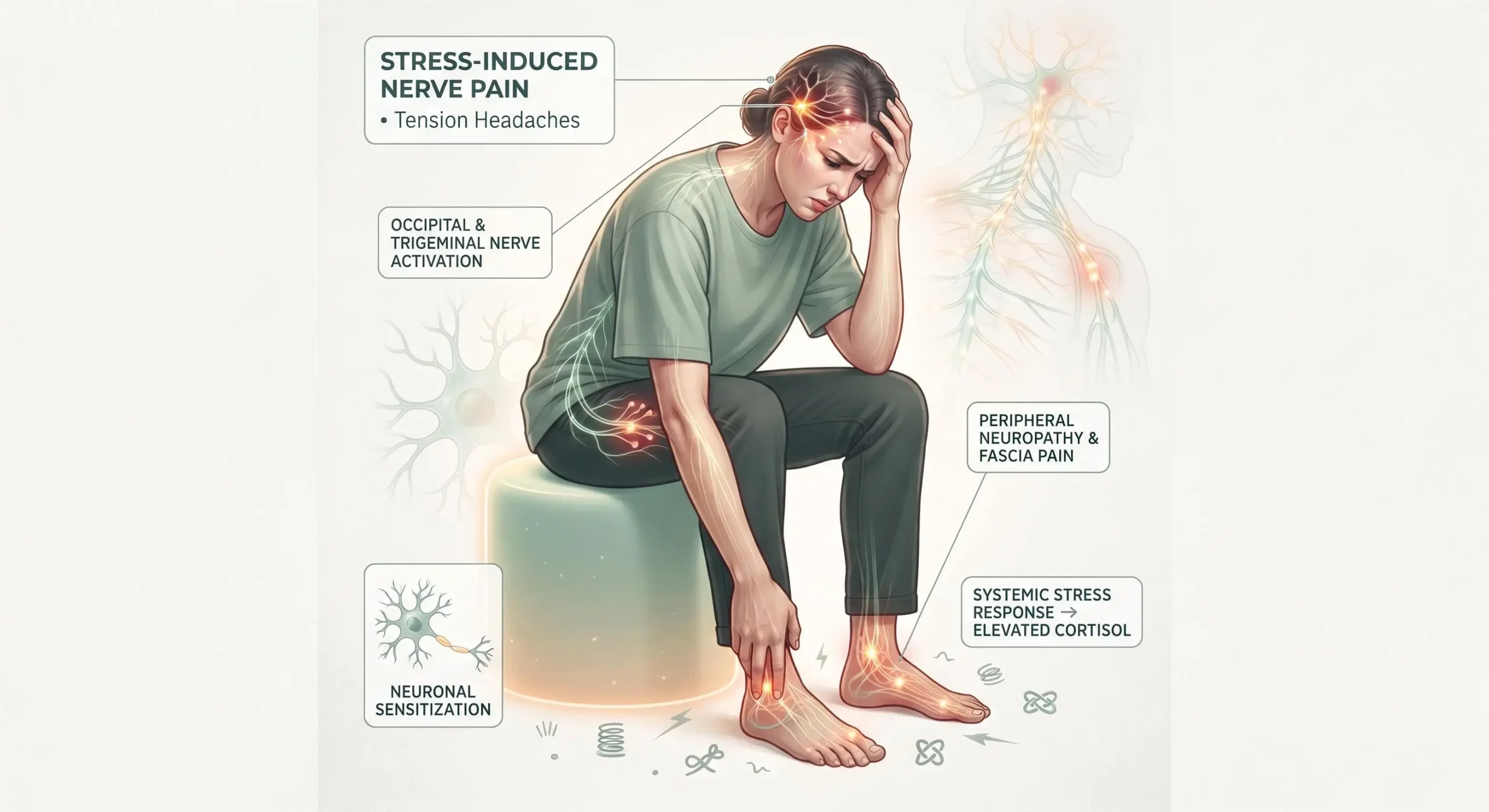
Managing blood sugar fluctuations involves navigating both physiological and psychological triggers. For a comprehensive medical framework on neural pathology, explore our guide on diabetic neuropathy and nerve health. Cortisol surges directly impact glucose stability; learn more in our detailed analysis on managing stress and blood sugar levels. According to clinical publications indexed by PubMed Central, psychological tension directly modulates central pain processing.
Pairing mental relaxation with the best foods to protect your nerves helps prevent early signs of diabetic nerve pain. Recognizing early signs of diabetic nerve pain ensures you can mitigate damage before symptoms escalate.
When examining how stress worsens nerve pain, researchers point directly to the autonomic nervous system. Chronic psychological stress keeps the body locked in a perpetual state of hyper-arousal, amplifying physical discomfort and exacerbating underlying metabolic vulnerabilities.
During stressful episodes, the sympathetic nervous system triggers widespread vasoconstriction, reducing microvascular blood flow to peripheral extremities. This restriction starves delicate nerve trunks of vital oxygen, proving exactly how stress worsens nerve pain in sensitive tissues.
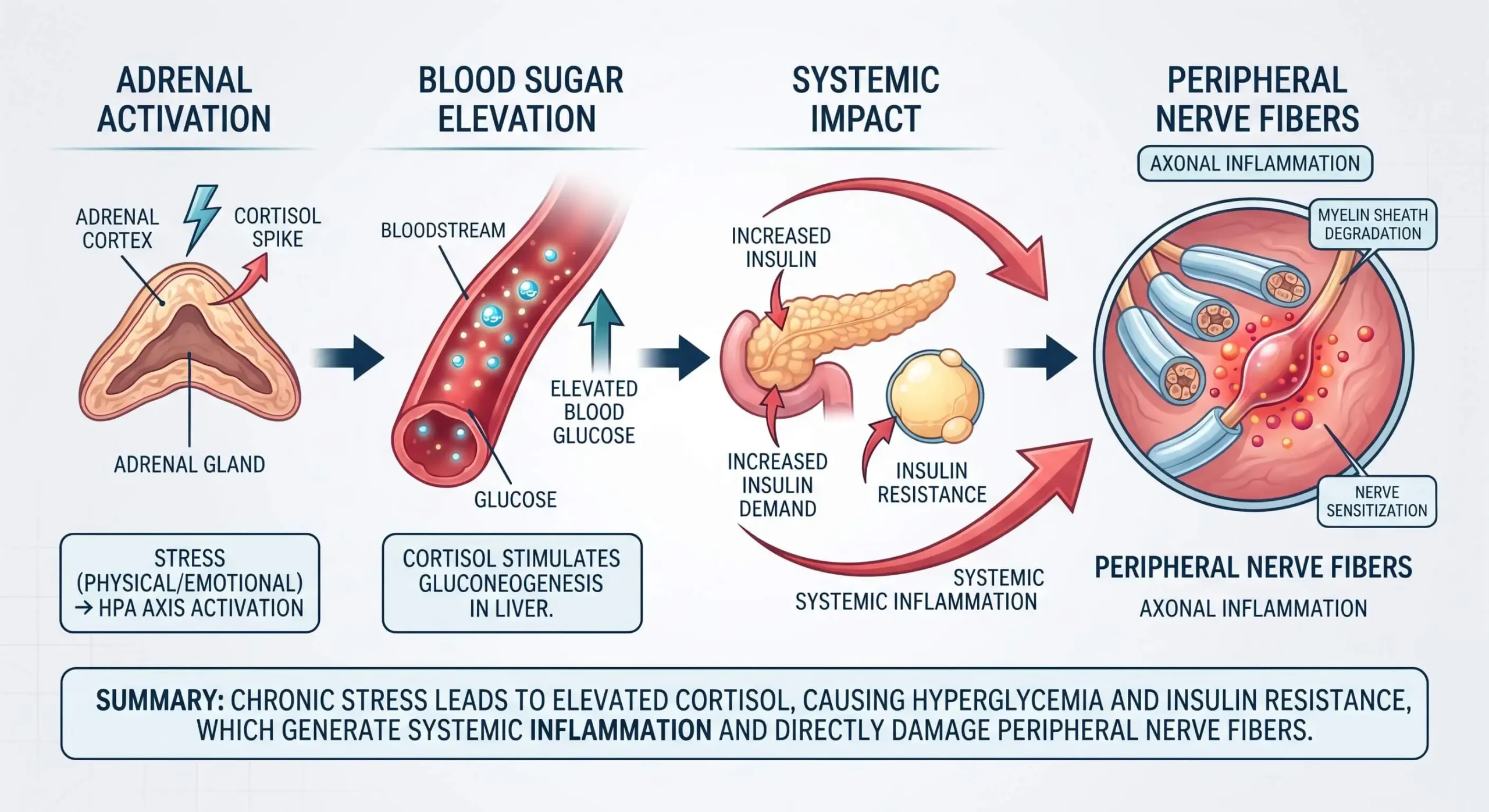
Elevated cortisol stimulates hepatic glucose release, leading to rapid blood sugar surges. These glycemic spikes generate oxidative stress that directly attacks neural membranes. Understanding how stress worsens nerve pain allows patients to bridge mental wellness with metabolic defense. For expert perspectives on managing glucose volatility, guidelines provided by the Mayo Clinic emphasize lifestyle regulation.
Patients frequently wonder whether mental tension directly impacts physical symptoms. Clinical data confirms that stress and diabetic nerve pain share an interconnected biochemical pathway that intensifies daily suffering.
Anxiety and emotional distress lower the threshold for pain perception within the central nervous system. Signals that might normally register as mild tingling are magnified into severe burning sensations when stress and diabetic nerve pain intersect.
Chronic discomfort breeds anxiety, and anxiety triggers physical muscle tension and cortisol release, creating a self-peruating feedback loop that makes it difficult to determine how stress worsens nerve pain without breaking the cycle.
Investigating does stress worsen nerve pain requires looking at cellular signaling molecules known as cytokines and inflammatory mediators.

Psychological fatigue upregulates pro-inflammatory cytokines like IL-6 and TNF-alpha, which directly attack damaged peripheral nerve fibers. This proves why examining does stress worsen nerve pain is essential for clinical recovery.
In addition to vascular constriction, mineral depletions heavily impair nerve signaling. Reviewing the magnesium deficiency and insulin resistance link is vital for understanding how cellular nourishment prevents nerve hyperexcitability.
Mitigating how stress worsens nerve pain demands actionable lifestyle changes that calm the nervous system and stabilize metabolic markers.

Engaging in daily diaphragmatic breathing stimulates the vagus nerve, counteracting sympathetic overdrive and reducing the physiological mechanisms behind how stress worsens nerve pain.
Exhaustion heavily amplifies neurological sensitivity. Discovering how sleep deprivation affects fasting blood sugar highlights the importance of consistent rest in controlling neuropathic flares.
Fueling your body with anti-inflammatory foods and targeted botanical extracts provides structural defense against stress-induced oxidative damage.
Achieving long-term relief from neuropathy requires a multi-faceted approach that addresses both the psychological drivers and the physical manifestations of how stress worsens nerve pain.
While intense workouts can sometimes trigger physical stress if overdone, physician-approved low-impact exercises like yoga, tai chi, and swimming release endorphins, lower cortisol, and improve overall microvascular circulation to nerve endings.
Systemic health issues often compound neuropathic distress. Monitoring related clinical indicators, such as those detailed in our diabetic nephropathy symptoms early signs guide, ensures holistic protection across all metabolic pathways.
While temporary psychological stress triggers acute flare-ups and hypersensitivity, implementing consistent stress-management practices can calm nerve signaling and reduce long-term discomfort.
Yes, acute anxiety and stress activate the sympathetic nervous system, causing microvascular constriction and releasing cortisol that amplifies peripheral nerve tingling and numbness.
Elevated cortisol increases hepatic glucose output, causing blood sugar spikes. These fluctuations generate reactive oxygen species that irritate vulnerable nerve endings.
Practicing diaphragmatic breathing, maintaining regular sleep schedules, consuming neuro-protective nutrients, and engaging in gentle physical activity effectively calm the nervous system.
Combining mental relaxation techniques with specialized clinical formulations provides comprehensive protection, ensuring you effectively combat how stress worsens nerve pain on every front.
To soothe early discomfort with a specialized clinical formulation, read our comprehensive Nerve Fresh review.
Recognizing how stress worsens nerve pain empowers you to take control of both your mental and metabolic health. Prioritize stress reduction, restorative sleep, and targeted neural support for lasting relief.

Discover how alcohol and nerve regeneration are blocked by evening drinks. Learn how ethanol depletes B-vitamins and harms your extremities.

Explore how excessive dietary sodium and processed foods impair vascular microcirculation, increasing nerve pain and extremity numbness.

Discover how artificial sweeteners worsen neuropathy and why energy drinks disrupt nerve signal transmission. Protect your extremity health today.

Explore how artificial trans fats and hydrogenated processed oils degrade structural myelin membranes, starving nerve cells of proper electrical insulation.

Discover how smoking and nicotine constrict nerve blood supply through microvascular damage. Learn how tobacco worsens neuropathy symptoms.

Uncover the common daily foods that silently damage your nervous system, trigger blood sugar spikes, and worsen neuropathy symptoms.