


Alcohol and Nerve Regeneration: Why Your Evening Drink is Harming Your Extremities
Discover how alcohol and nerve regeneration are blocked by evening drinks. Learn how ethanol depletes B-vitamins and harms your extremities.

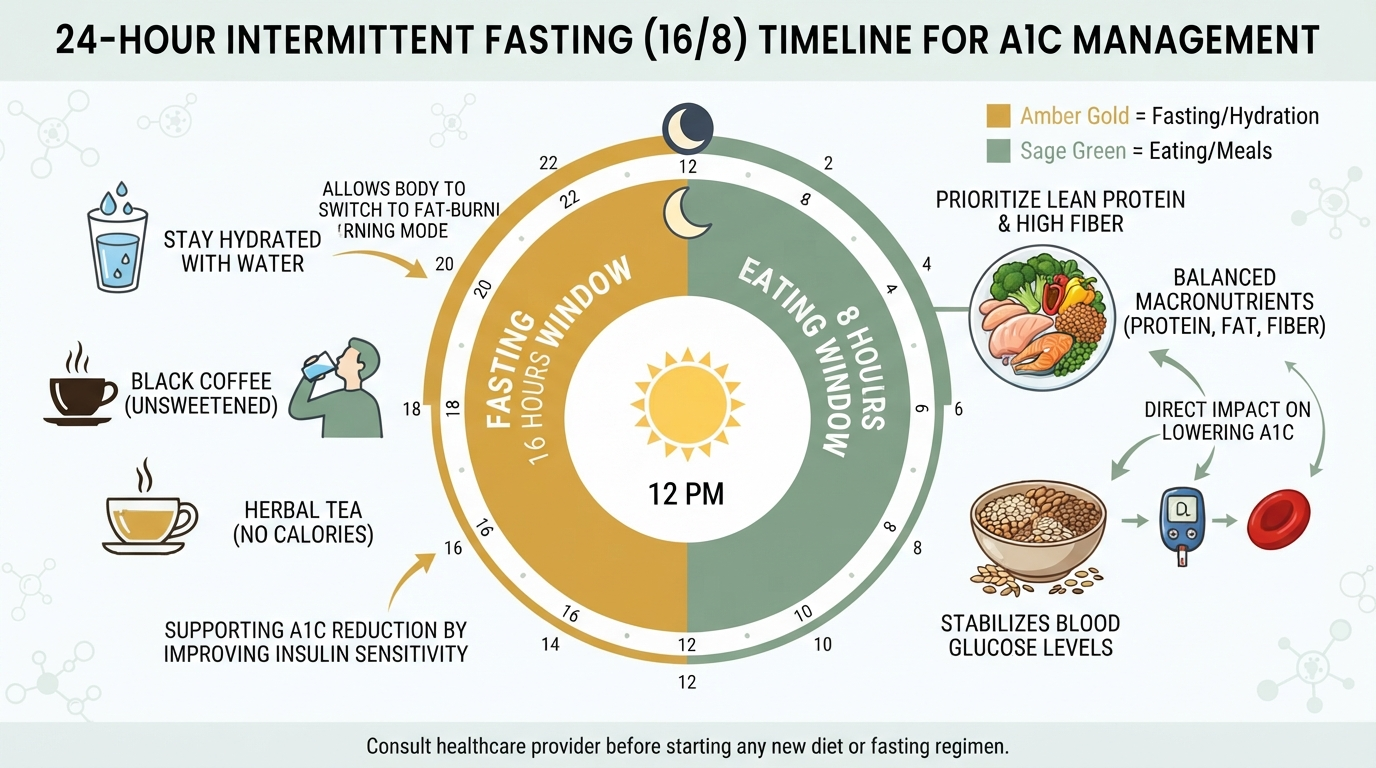
Time-restricted eating has emerged as a revolutionary non-pharmacological approach for enhancing insulin sensitivity, burning visceral fat, and reversing metabolic dysfunction. However, applying an intermittent fasting for type 2 diabetes safety guide demands rigorous monitoring to prevent unpredictable blood sugar volatility or nocturnal hypoglycemia. Restricting your daily eating window allows basal insulin to drop, giving your cells room to clear glucose efficiently. Following a structured intermittent fasting for type 2 diabetes safety guide ensures maximum cellular autophagy while maintaining stable plasma levels.
To build a comprehensive clinical foundation for endocrine health, we recommend studying our primary hub, the Diabetes Management Guide, alongside The Ultimate Diabetes Guide 2026. Understanding how fasting windows interact with your metabolic baseline makes implementing an intermittent fasting for type 2 diabetes safety guide both safe and effective.
Whether you are exploring proven strategies on how to reverse type 2 diabetes or checking for early warning signs of diabetes, our intermittent fasting for type 2 diabetes safety guide provides clear, science-backed steps. Pairing your fasts with a structured diabetic food chart keeps your nutrient intake balanced without stressing pancreatic beta cells.
Consistent tracking is key—regularly tracking A1C levels alongside your morning fasting blood sugar and overall morning glucose readings helps verify progress. Adhering to an intermittent fasting for type 2 diabetes safety guide protects long-term vascular health while optimizing cellular metabolism.
To understand why an intermittent fasting for type 2 diabetes safety guide is essential, we must examine cellular physiology. In a continuously fed state, baseline insulin levels stay high, preventing lipolysis and trapping lipids inside muscle and liver tissues. Extending your fast past 12 to 16 hours lowers circulating insulin, signaling the liver to shift from burning glucose to oxidizing fat. Following a structured intermittent fasting for type 2 diabetes safety guide ensures this metabolic switch happens smoothly without triggering adrenal stress.
During fasting windows, your cells trigger autophagy—a beneficial recycling process that removes damaged mitochondria and misfolded proteins. Restoring GLUT4 receptor activity through controlled fasting allows skeletal muscles to absorb glucose more efficiently. Following an intermittent fasting for type 2 diabetes safety guide maximizes these cellular benefits while keeping daily glycemic swings under control.
Physiological Fact: Lowering baseline hyperinsulinemia via time-restricted feeding helps clear ectopic liver fat. However, monitoring your morning fasting blood sugar and morning glucose metrics is critical to ensure that hepatic gluconeogenesis remains balanced throughout your fast.
Choosing the right fasting routine depends on your lifestyle, medication needs, and daily blood sugar patterns. Our intermittent fasting for type 2 diabetes safety guide highlights five proven schedules:
| Fasting Schedule | Fasting / Eating Window | Medication Adjustment Protocol | Hypoglycemia Risk Profile |
|---|---|---|---|
| 16/8 TRF (Gold Standard) | 16 Hours Fast / 8 Hours Eat | Shift Morning Sulfonylureas to First Meal | Moderate Risk (Monitor Closely) |
| 14/10 Gentle Protocol | 14 Hours Fast / 10 Hours Eat | Minimal Adjustment for Metformin Users | Low Risk (Ideal for Beginners) |
| Early TRF (8 AM - 4 PM) | 16 Hours Fast (Evening Fast) | Reduce Evening Basal Insulin under MD Guidance | Moderate to High (Evening Care) |
| 12/12 Circadian Fast | 12 Hours Fast / 12 Hours Eat | Standard Medication Dosing Maintained | Very Low Risk (Safe Routine) |

Understanding how fasting windows interact with insulin receptors is essential for long-term health. Combining your intermittent fasting for type 2 diabetes safety guide with foundational metabolic principles ensures safe, lasting results.
Read Ultimate GuideOptimize your eating windows! Get instant access to your printable diabetic food chart designed to prevent glucose spikes while following your intermittent fasting for type 2 diabetes safety guide.
The most critical component of any intermittent fasting for type 2 diabetes safety guide is managing medication timing. Fasting while taking blood-sugar-lowering medications without adjusting doses can cause severe hypoglycemia:
Drugs like glipizide or glimepiride force continuous insulin secretion. An intermittent fasting for type 2 diabetes safety guide requires adjusting these dosages with your doctor to avoid unexpected drops.
Metformin rarely causes hypoglycemia because it limits liver glucose production without triggering insulin release. However, proper hydration is essential when taking SGLT2 inhibitors alongside your intermittent fasting for type 2 diabetes safety guide.
If your fasting blood sugar is high during extended fasts, this may stem from stress-induced cortisol or the Dawn Phenomenon rather than food intake. Never ignore persistent fasting blood sugar high warnings; check in with your physician to adjust your routine safely.
Always keep fast-acting glucose tablets or gel nearby. Keeping smart options on hand from our guide on best evening snacks to prevent nighttime hypoglycemia helps manage nighttime dips safely while following your intermittent fasting for type 2 diabetes safety guide.
Proper hydration and electrolyte balance are essential during fasting hours. Dehydration concentrates blood glucose and triggers stress hormones, counteracting the benefits of your intermittent fasting for type 2 diabetes safety guide routine.
Tracking your morning fasting blood sugar and morning glucose readings helps you evaluate how well your body adapts to time-restricted eating. Sipping zero-calorie beverages—such as options from our guide on best morning drinks for lower blood sugar—keeps your energy steady without breaking your fast.
When opening your eating window within your intermittent fasting for type 2 diabetes safety guide plan, select nutrient-dense whole foods. Incorporating low-GI choices from our manual on low glycemic index fruits for diabetic daily diet management helps prevent post-fast glucose spikes.
Pairing your intermittent fasting for type 2 diabetes safety guide with non-glycemic science-backed natural formulas supports cellular recovery and helps maintain steady daily metrics.
Combining your fasting routine with research-backed botanicals helps keep daily energy levels steady. Formulated with key adaptogens—including Eleuthero for Diabetes Fatigue, Coleus Forskohlii Blood Sugar, and Maca Root Energy Blood Sugar balance. Note: Always consult your physician before adding dietary supplements to an intermittent fasting for type 2 diabetes safety guide routine. Evaluated as our top best supplement for blood sugar support, or explore our complete guide on the best blood sugar support supplement options.
For official global guidelines on clinical diabetes care and lifestyle safety, visit the World Health Organization (WHO) Diabetes Fact Sheet.
Explore our full collection of clinical diet guides, meal planning tools, and glycemic support protocols:
Following a clinically structured intermittent fasting for type 2 diabetes safety guide empowers individuals with Type 2 diabetes to harness cellular autophagy, lower baseline insulin levels, and achieve lasting A1C improvements safely. By selecting an appropriate eating window, adjusting medications under physician care, and maintaining healthy hydration, time-restricted feeding becomes a rewarding lifestyle habit.
To explore our extensive library of nutritional breakdowns, meal plans, and lifestyle guides, visit our central Diabetes Management Guide hub to support your daily intermittent fasting for type 2 diabetes safety guide routine.
Get instant access to your premium weekly blueprint for stable blood sugar and long-term metabolic support alongside your intermittent fasting for type 2 diabetes safety guide.
Discover how alcohol and nerve regeneration are blocked by evening drinks. Learn how ethanol depletes B-vitamins and harms your extremities.

Explore how excessive dietary sodium and processed foods impair vascular microcirculation, increasing nerve pain and extremity numbness.

Discover how artificial sweeteners worsen neuropathy and why energy drinks disrupt nerve signal transmission. Protect your extremity health today.

Explore how artificial trans fats and hydrogenated processed oils degrade structural myelin membranes, starving nerve cells of proper electrical insulation.

Discover how smoking and nicotine constrict nerve blood supply through microvascular damage. Learn how tobacco worsens neuropathy symptoms.

Uncover the common daily foods that silently damage your nervous system, trigger blood sugar spikes, and worsen neuropathy symptoms.