


Alcohol and Nerve Regeneration: Why Your Evening Drink is Harming Your Extremities
Discover how alcohol and nerve regeneration are blocked by evening drinks. Learn how ethanol depletes B-vitamins and harms your extremities.
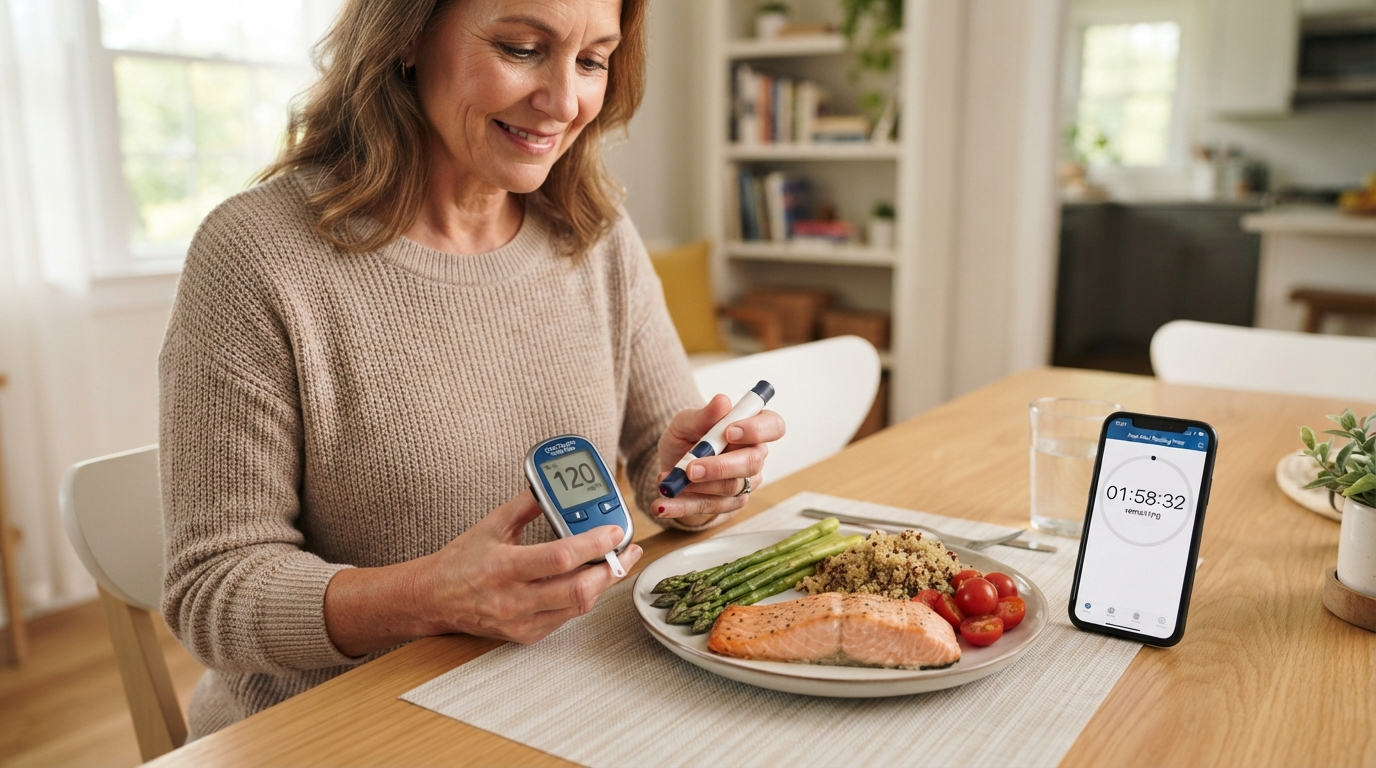
Monitoring post-meal glucose clearance is one of the most effective strategies for preventing vascular inflammation and maintaining metabolic stability. Understanding your target postprandial blood sugar 2 hours after meal normal range prevents sharp glucose excursions that cause long-term cellular strain. While healthy non-diabetic individuals naturally buffer carbohydrate ingestion back under 140 mg/dL, adults with insulin resistance must closely monitor their postprandial blood sugar 2 hours after meal normal range to avoid unnecessary glycemic spikes. Integrating post-meal tracking alongside our foundational Health Hub Diabetes Management Guide provides a solid blueprint for long-term blood sugar management.
Evaluating your 2 hours post prandial blood sugar helps reveal how effectively your body clears dietary glucose. Discovering how to reverse type 2 diabetes through strategic meal sequencing allows you to identify hidden carbohydrate sensitivities. Consistently keeping your readings within a postprandial blood sugar 2 hours after meal normal range protects your vascular system. Recognizing early warning signs of diabetes early helps prevent long-term complications.
🔍 Clinical Diagnostic Snapshot: Evaluating your 2 hours post prandial blood sugar alongside your morning baseline helps clarify the difference between average blood glucose and fasting blood sugar. Comparing fasting blood sugar vs a1c scores gives a complete picture of your glycemic health.
Get instant access to your printable weekly meal planning blueprint for stable postprandial glucose levels. Access your structured diabetic food chart today.
Enter your 2-hour post-meal blood sugar reading (in mg/dL) below to verify if your result falls within your target postprandial blood sugar 2 hours after meal normal range.
Establishing an accurate target for your postprandial blood sugar 2 hours after meal normal range requires reviewing clinical standards from leading diabetes organizations. The American Diabetes Association (ADA) and the American Association of Clinical Endocrinology (AACE) publish evidence-based guidelines tailored to different health goals:
Following a structured sub-pillar protocol like our A1C test fasting required lab prep guide helps ensure consistent testing conditions. Understanding how daily post-meal spikes translate to 90-day lab averages via an estimated average glucose eAG vs A1C conversion helps keep your overall management plan aligned.
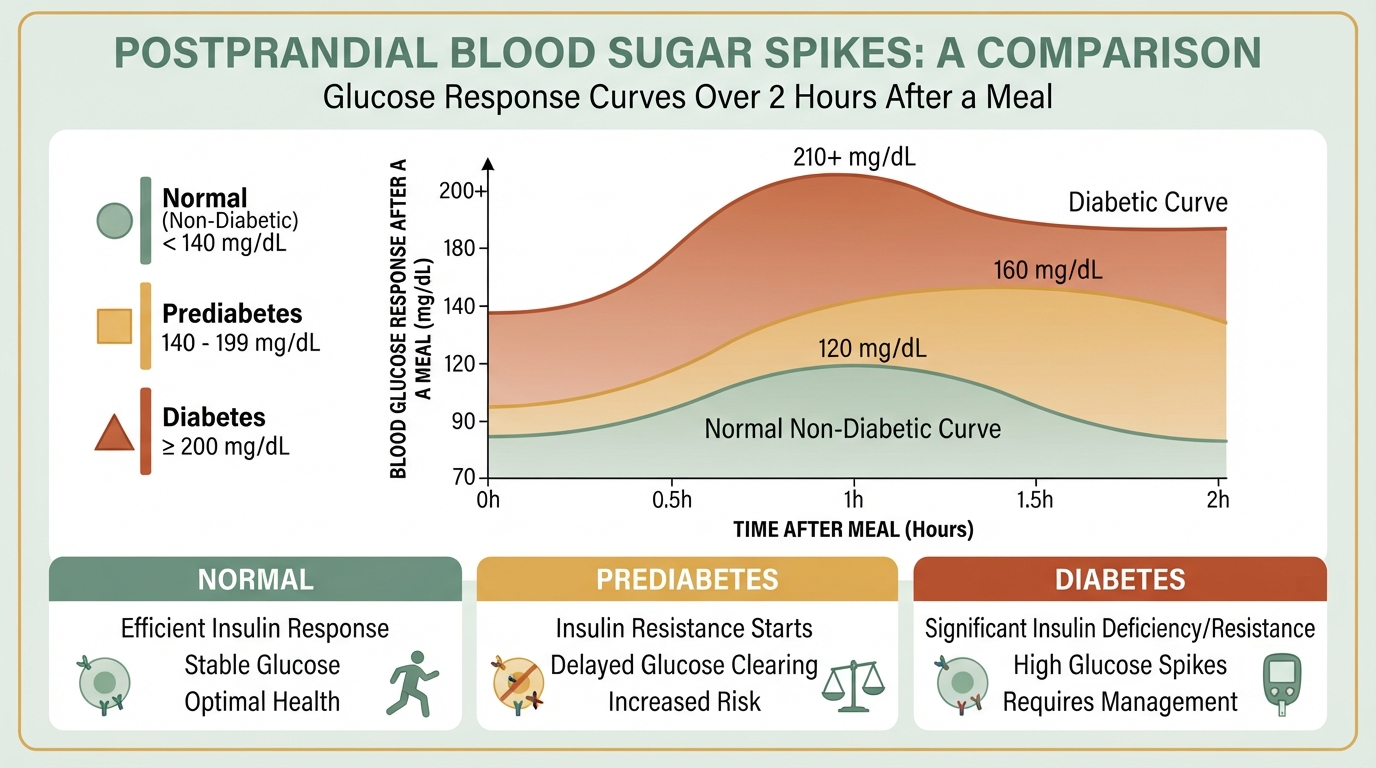
The reference table below outlines standard categories for evaluating your postprandial blood sugar 2 hours after meal normal range across common diagnostic benchmarks:
| Diagnostic Profile | 2-Hour Target (mg/dL) | 2-Hour Target (mmol/L) | Clinical Status (Postprandial Blood Sugar 2 Hours After Meal Normal Range) |
|---|---|---|---|
| Optimal Non-Diabetic Adult | < 120 mg/dL | < 6.7 mmol/L | Optimal Post-Meal Recovery Range |
| Standard Non-Diabetic Cutoff | < 140 mg/dL | < 7.8 mmol/L | Healthy Postprandial Blood Sugar 2 Hours After Meal Normal Range |
| Prediabetes Diagnostic Range | 140 – 199 mg/dL | 7.8 – 11.0 mmol/L | Impaired Glucose Tolerance (Action Required) |
| ADA Target (Managed Diabetic) | < 180 mg/dL | < 10.0 mmol/L | Standard Diabetic Postprandial Target |
| AACE Strict Target (Diabetic) | < 140 mg/dL | < 7.8 mmol/L | Tight Clinical Postprandial Goal |
| Elevated Hyperglycemic Spike | ≥ 200 mg/dL | ≥ 11.1 mmol/L | Exceeds Normal Target Range |
To compare these post-meal values with morning baseline measurements, read our detailed diagnostic analysis on normal fasting blood sugar levels vs A1C.
Several physiological elements can push readings outside your target postprandial blood sugar 2 hours after meal normal range. Identifying these underlying mechanisms helps you make effective mealtime adjustments:
Understanding internal pancreatic insulin reserve through tests like the C-peptide test for diabetes insulin production helps evaluate your body's post-meal response capacity.
Accurately assessing whether your results fall within a postprandial blood sugar 2 hours after meal normal range depends on precise test timing. The standard clinical protocol requires starting your 2-hour timer at your FIRST bite of food, not when you finish eating.
Digestion and carbohydrate breakdown begin immediately in the mouth via salivary amylase, initiating early insulin release. Starting your timer after a 40-minute meal delays your check, providing an inaccurate reading that misses peak glucose exposure within your postprandial blood sugar 2 hours after meal normal range.
Reviewing pre-test fasting rules and diagnostic timing in our guide on a1c test preparation helps ensure consistent, accurate lab results.
Experiencing high fasting glucose but normal a1c values alongside post-meal spikes can surprise patients tracking their postprandial blood sugar 2 hours after meal normal range. Isolated morning spikes often stem from dawn phenomenon cortisol surges rather than postprandial carbohydrate sensitivity.
To learn why morning values sometimes run higher than expected from overall averages, consult our guide on why fasting blood sugar is higher than A1C. Evaluating whether is fasting insulin the same as A1C also clarifies how pancreatic secretion impacts morning baseline readings.
If you experience sudden dips or shakiness 2 to 4 hours after eating, read about postprandial reactive hypoglycemia symptoms and causes to understand post-meal insulin overshoot.
Explore our essential clinical guides below to better understand your blood test results, baseline metrics, and lab preparation rules:
Maintaining a healthy postprandial blood sugar 2 hours after meal normal range can be supported through smart daily nutritional habits. Practicing meal sequencing—eating non-starchy vegetables and protein before carbohydrates—slows gastric emptying and helps moderate post-meal glucose absorption.
Expecting mothers can follow a gestational diabetes diet plan to maintain stable postprandial control. Incorporating targeted adaptogens like Eleuthero for Diabetes Fatigue, Coleus Forskohlii Blood Sugar regulators, and Maca Root Energy Blood Sugar support helps sustain steady daytime energy.
Proactively managing stress and blood sugar levels helps minimize cortisol spikes that can disrupt post-meal glucose clearance.

Alongside smart meal sequencing, adding science-backed natural formulas like the best supplement for blood sugar (Sugar Defender) or exploring the best blood sugar support supplement (GlucoTonic) helps promote post-meal glucose stability.
*Always backed by a 60-day money-back guarantee directly from the official manufacturer.
Answers to common questions about postprandial blood sugar 2 hours after meal normal range targets, testing timing, and lab prep guidelines.
Always start timing your 2-hour postprandial test from the FIRST bite of your meal. Digestion and carbohydrate absorption begin immediately in the mouth with salivary amylase, making first-bite timing the clinical gold standard for evaluating a postprandial blood sugar 2 hours after meal normal range.
For non-diabetics, a 2-hour level exceeding 200 mg/dL indicates diabetes as it far exceeds a postprandial blood sugar 2 hours after meal normal range. For diagnosed Type 2 diabetics, readings consistently exceeding 250 mg/dL increase acute risk for hyperglycemic hyperosmolar state and require medical attention.
Isolated postprandial hyperglycemia occurs when early-phase insulin release is impaired or when meals contain high glycemic loads, pushing readings outside a postprandial blood sugar 2 hours after meal normal range even if baseline fasting blood sugar vs a1c numbers remain normal.
For non-diabetic adults, normal 2 hours post prandial blood sugar levels are strictly under 140 mg/dL (7.8 mmol/L), with optimal metabolic physiology returning levels under 120 mg/dL within a postprandial blood sugar 2 hours after meal normal range.
Taking a 10-to-15-minute brisk walk immediately after eating activates non-insulin-dependent GLUT4 muscle glucose uptake, significantly flattening the 2-hour postprandial glycemic curve back into a postprandial blood sugar 2 hours after meal normal range.
When considering whether should you fast before a hemoglobin a1c test, standalone A1C tests do not require fasting. However, postprandial testing requires eating a standard meal and timing exactly 2 hours from your first bite.
Consistently maintaining your postprandial blood sugar 2 hours after meal normal range is a practical way to manage metabolic health and support long-term wellness. Using proper test timing, practicing meal sequencing, and staying active after meals helps keep postprandial glucose levels within target boundaries.
Get instant access to your printable meal planning blueprint designed to keep your postprandial blood sugar 2 hours after meal normal range targets on track. Access your structured diabetic food chart today.
To explore our complete library of diagnostic guides, tracking tools, and blood sugar support reviews, visit our primary Health Hub Diabetes Management Guide or our master reference in The Ultimate Diabetes Guide 2026.
Discover how alcohol and nerve regeneration are blocked by evening drinks. Learn how ethanol depletes B-vitamins and harms your extremities.

Explore how excessive dietary sodium and processed foods impair vascular microcirculation, increasing nerve pain and extremity numbness.

Discover how artificial sweeteners worsen neuropathy and why energy drinks disrupt nerve signal transmission. Protect your extremity health today.

Explore how artificial trans fats and hydrogenated processed oils degrade structural myelin membranes, starving nerve cells of proper electrical insulation.

Discover how smoking and nicotine constrict nerve blood supply through microvascular damage. Learn how tobacco worsens neuropathy symptoms.

Uncover the common daily foods that silently damage your nervous system, trigger blood sugar spikes, and worsen neuropathy symptoms.